Is It Cheaper to Wrap or Paint a Car? Cost Guide
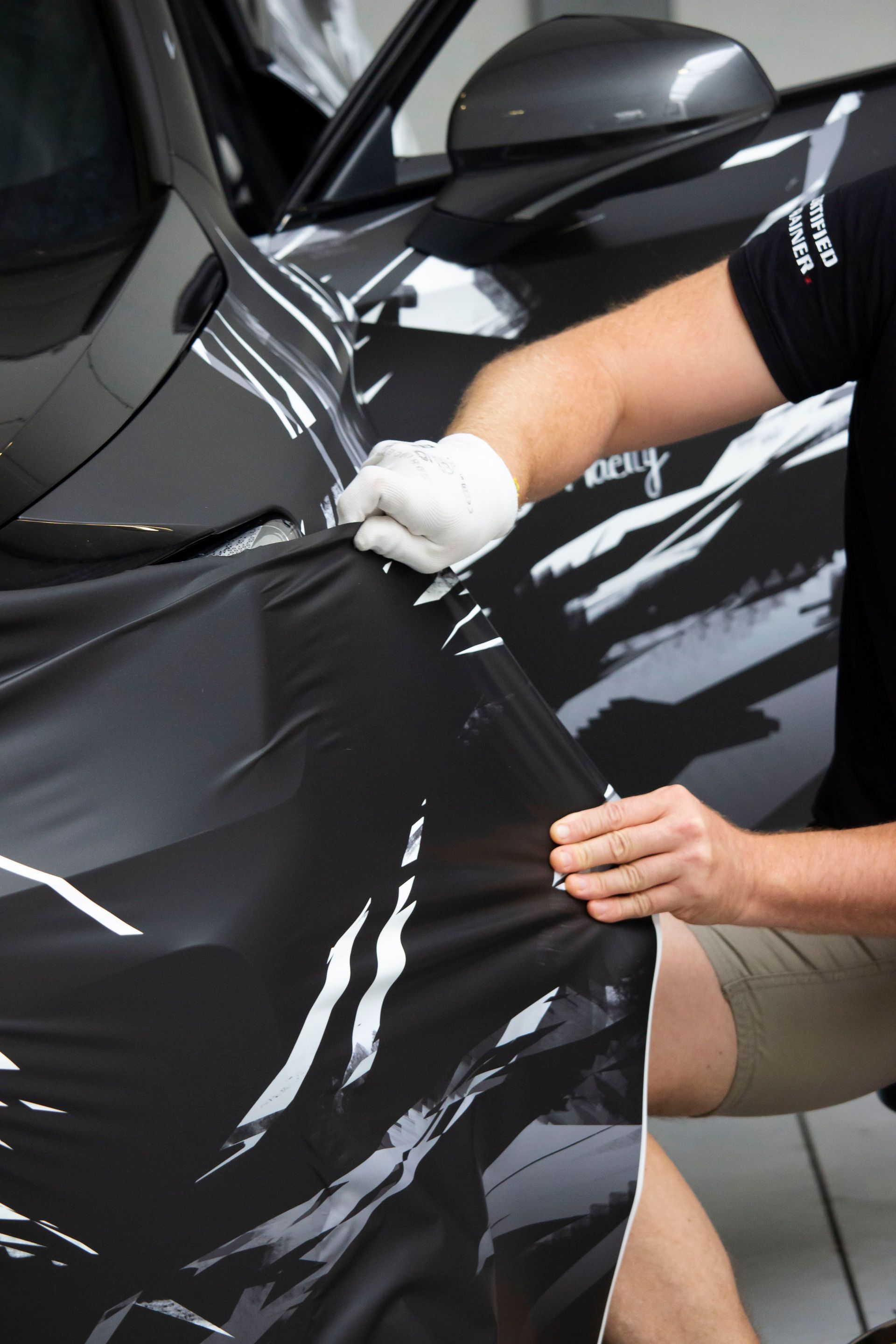
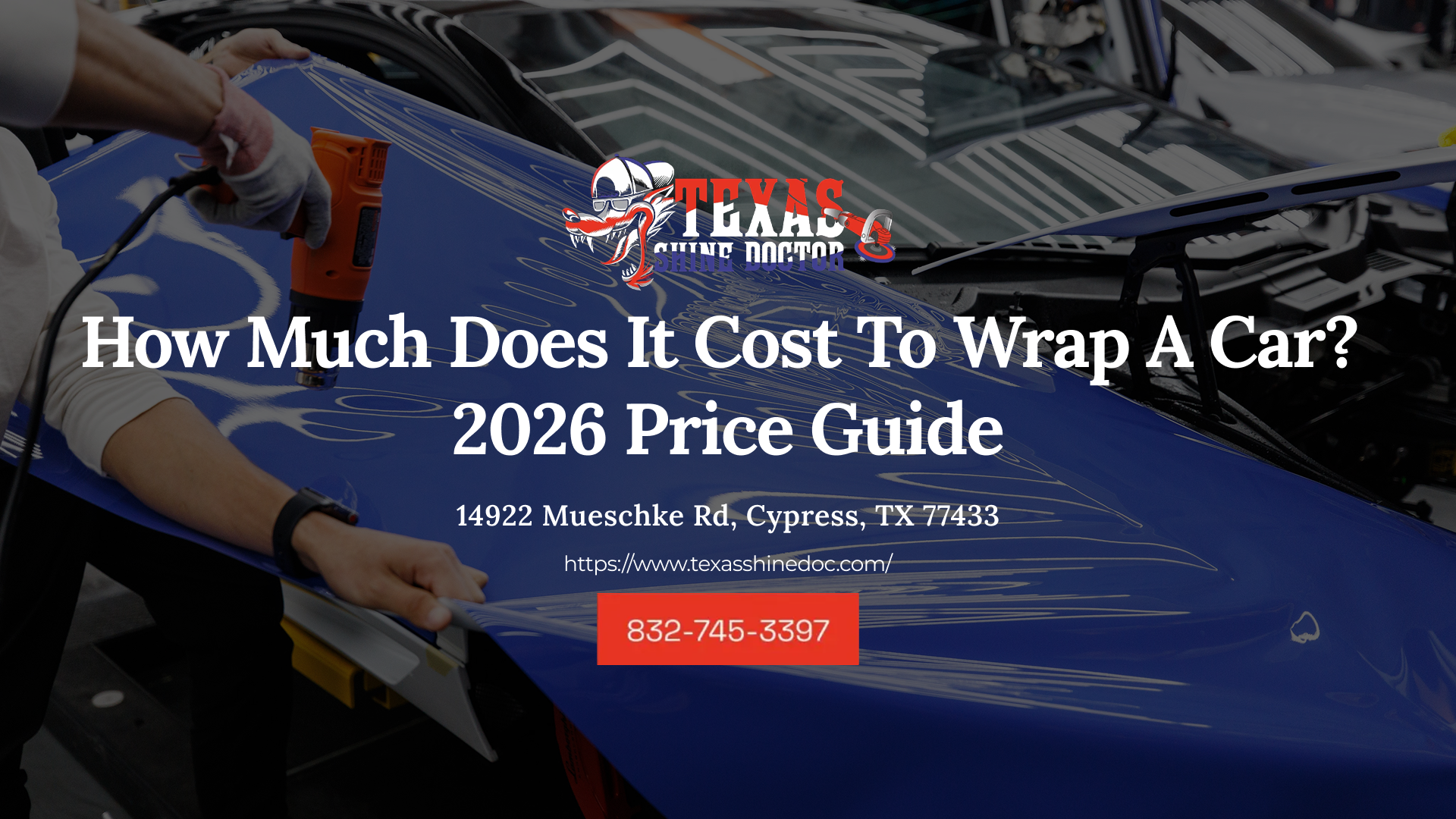
Is it cheaper to wrap or paint a car? A professional vinyl wrap usually costs less upfront, at $2,500 to $5,500, while a professional repaint typically costs about $3,500 to $10,000. The better value depends on paint condition, lifespan, maintenance, repair needs, and whether the vehicle needs a temporary or permanent finish.
Key Takeaways
- Full vinyl wraps typically cost $2,500 to $5,500, while professional repainting typically costs $3,500 to $10,000.
- Premium paint jobs can cost $5,000 to $20,000+, depending on preparation, materials, and finish.
- Vinyl wraps typically last 5 to 7 years, while quality automotive paint can last 10+ years with proper maintenance.
- Professional wrap removal typically costs $400 to $800 and allows the vehicle to return to its original appearance.
- Wraps suit temporary customization and paint protection, while paint suits restoration, damaged surfaces, and permanent finishes.
How Much Does It Cost to Wrap or Paint a Car?
A professional vinyl wrap usually costs less upfront than a professional repaint, with full wraps typically costing $2,500 to $5,500 and professional repainting costing $3,500 to $10,000. The final price varies based on the size of the project, preparation requirements, materials, and desired finish.
Vehicle size is another important cost factor. A compact sedan generally requires less vinyl, paint, preparation, and labor than a full-size SUV or pickup truck. Complex body contours, bumpers, mirrors, door handles, and other difficult-to-access areas can also increase installation or refinishing time.
| Option | Typical Cost (*) | Main Consideration |
|---|---|---|
| Partial vinyl wrap | $800 to $2,000 | Covers selected areas |
| Full vinyl wrap | $2,500 to $5,500 | Changes the vehicle's appearance |
| Economy paint job | $500 to $3,000 | Lower-cost repainting |
| Professional repaint | $3,500 to $10,000 | More extensive preparation and finishing |
| Premium repaint | $5,000 to $20,000+ | High-end materials and finish |
(*) Actual pricing varies by vehicle size, location, paint condition, material quality, preparation, and shop labor.
A vinyl wrap uses vinyl, adhesive, trimming, and controlled heat application, while a professional repaint can require sanding, surface preparation, primer, base coat, clear coat, and curing, which adds labor and material costs. The type and quality of the materials also influence the final result. Major automotive vinyl manufacturers such as 3M and Avery Dennison offer films in different colors, finishes, and applications. Paint systems also vary by product, preparation method, application technique, and finishing process.
Why Does a Paint Job Usually Cost More?
A professional repaint can cost more because the process often involves substantially more surface preparation and refinishing work than vinyl installation. Surface preparation may include sanding and priming before the base color and clear coat are applied.
A professional repaint may also require body repair, primer or sealer, basecoat application, color matching, clear-coat application, curing, sanding, and polishing. If the shop needs to blend the new color into adjacent panels, the labor and material requirements can increase further.
Economy paint work can start around $500, but the article's professional repaint range is $3,500 to $10,000, while premium work can reach $20,000 or more. The quality and extent of preparation have a major effect on the final price.
Which Option Is Cheaper in the Long Run?
A wrap can provide better value for a temporary appearance change, while paint can provide better long-term value when the same finish is expected to remain for 10+ years. The lower upfront cost of a wrap does not automatically make it the cheaper option over every ownership period.
A vinyl wrap typically lasts 5 to 7 years, while quality automotive paint can last 10+ years with proper maintenance. Owners planning a shorter-term color change may benefit from the reversibility of a wrap, while long-term owners may prefer the durability of a quality repaint.
Cost and Lifespan Comparison
| Factor | Vinyl Wrap | Paint |
|---|---|---|
| Initial cost | Usually lower | Usually higher |
| Typical lifespan | 5 to 7 years | 10+ years with maintenance |
| Removal | Possible | Not applicable |
| Color change | Easy to change | More permanent |
| Original paint | Can remain underneath | Replaced or refinished |
| Long-term fit | Temporary or reversible changes | Permanent finish |
For example, if a $4,000 wrap lasts five years, the initial installation averages about $800 per year over that period. A $6,000 repaint that lasts 10 years averages about $600 per year. This does not mean paint is always cheaper, because maintenance, repairs, removal, replacement, and the actual service life can change the calculation.
This is why the ownership period matters. A driver who plans to change the vehicle's appearance again within several years may get more practical value from a wrap, while an owner keeping the same color and finish for a decade or longer may favor paint.
How Do Wrap and Paint Compare for Ownership?
A wrap generally offers faster installation and easier reversibility, while paint provides a permanent finish with different maintenance and repair requirements. A professional wrap generally takes 2 to 5 days, compared with 1 to 3 weeks for a professional repaint, making wrapping more convenient when minimizing vehicle downtime matters. Wrap maintenance typically involves careful hand washing, while painted surfaces can benefit from washing, polishing, waxing, and touch-ups. These differences can affect the total value of each option beyond the initial installation price.
A vinyl wrap can also be removed when the owner wants to restore the original appearance, with professional removal typically costing $400 to $800. However, removal time and cost can depend on the age and condition of the vinyl, installation quality, exposure to heat and sunlight, and condition of the original paint. Removing an older or deteriorated wrap may require more labor than removing newer vinyl in good condition, while paint does not offer the same type of reversibility.
Which Option Offers Better Customization and Paint Protection?
Vinyl wraps offer flexible customization while adding a layer of protection over the original paint. Available finishes include matte, gloss, satin, chrome, carbon fiber, metallic, and color-shift options. A wrap can help protect the paint from everyday scratches, UV exposure, and road debris, while allowing owners to change the vehicle’s appearance without permanently repainting it.
However, a vinyl wrap is not the same as
paint protection film. A color-change wrap is primarily designed for appearance customization and provides secondary paint protection, while PPF is specifically engineered to protect the paint from road debris, stone chips, and other physical damage. Therefore, owners who want a reversible style change may choose a vinyl wrap, while those focused mainly on maximum paint protection should consider PPF.
How Does Paint Condition Affect the Choice?
The condition of the existing paint can determine whether wrapping is practical or whether repainting is the better solution. A wrap generally requires a smooth, sound surface for proper installation and appearance. Healthy factory paint usually favors wrapping because the vinyl can adhere properly and create a clean finish.
Chipped, peeling, rusted, or heavily damaged paint can make wrapping unsuitable or require additional preparation. Wraps do not repair the surface underneath them, so peeling clear coat, active rust, loose paint, deep scratches, or significant body damage may cause adhesion problems and visible imperfections. In these cases, repairing and repainting the surface is generally the better choice before applying vinyl.
When Should You Wrap or Paint a Car?
Wrapping is generally better for temporary customization and protecting good original paint, while painting is better for restoration, damaged surfaces, and permanent finishes. The right option depends on the vehicle's condition and the owner's intended use.
When Is Wrapping the Better Choice?
A wrap is a strong choice when the vehicle has good existing paint, and you want a reversible appearance change, such as a temporary color change, specialty finish, or business graphic. Professional installation typically takes 2 to 5 days, making it practical when minimizing vehicle downtime matters. A wrap can also help preserve the factory paint underneath, but the surface must be smooth and structurally sound because vinyl cannot correct peeling paint, rust, serious damage, or other underlying defects.
When Is Painting the Better Choice?
Paint is the better choice when the vehicle has peeling clear coat, rust, extensive chips, or other surface damage because repainting allows the shop to repair and prepare the underlying surface instead of simply covering it. It is also more suitable for restoration projects and long-term ownership, as quality automotive paint can last 10+ years with proper maintenance. Although a professional repaint typically costs more upfront than a wrap, it can provide better value when the goal is a permanent, restored finish.
What Are the Downsides of Wrapping and Painting?
Both options have trade-offs, so the lower upfront price of a wrap should be considered alongside lifespan, removal, maintenance, and vehicle condition. A wrap typically has a shorter lifespan than quality automotive paint and depends on the condition of the underlying surface.
Wraps can eventually require replacement, and professional removal typically costs $400 to $800. Paint can provide a longer-lasting finish, but professional repainting costs more and requires more extensive preparation and finishing.
How Do Repair Costs Compare?
Wrap repairs can be less extensive because a damaged vinyl section may be replaced individually without refinishing the entire vehicle, while paint repairs often require sanding, priming, repainting, and blending into adjacent panels for a consistent finish. However, the best repair method depends on the damage's location and severity, and matching an older wrap can be difficult if the vinyl has faded or changed appearance from UV exposure.
What Is the Environmental Impact?
Wrapping and painting have different environmental impacts because they use different materials and installation processes. Automotive painting can involve solvents, VOC emissions, and overspray, while vinyl wraps use plastic-based materials and can create plastic waste when removed. Neither option is automatically more environmentally friendly, as the overall impact depends on the products used, installation methods, maintenance, replacement frequency, and disposal process.
What Else Should You Consider Before Choosing?
The final decision should compare cost, lifespan, vehicle condition, installation time, reversibility, customization, maintenance, repair needs, and protection goals. Looking only at the initial price can overlook important ownership costs.
| Decision Factor | Choose a Wrap When... | Choose Paint When... |
|---|---|---|
| Budget | A lower typical professional starting cost is preferred | A higher upfront investment is acceptable |
| Lifespan | 5 to 7 years meets the expected ownership period | 10+ years with maintenance is preferred |
| Vehicle condition | Existing paint is smooth and healthy | Paint is damaged, peeling, chipped, or rusted |
| Reversibility | Returning to the original appearance may be important | A permanent finish is preferred |
| Installation time | 2 to 5 days is preferable | A 1 to 3 week project is acceptable |
| Customization | Specialty finishes or graphics are desired | A permanent painted finish is desired |
| Repairs | Section replacement is preferred | Traditional refinishing or blending is needed |
Does Ceramic Coating Make Sense?
Ceramic coating is a separate consideration from wrapping and painting. Owners should first determine whether their primary goal is changing the appearance, repairing damaged paint, preserving the original finish, or adding surface protection.
A ceramic coating can be applied to suitable painted surfaces and, depending on the product, may also be compatible with certain vinyl wraps. The owner should confirm compatibility with the specific coating and wrap manufacturer before installation.
What About Wrap Brands and Paint Systems?
Not all vinyl wraps or automotive paint systems are identical. Major automotive film manufacturers such as 3M and Avery Dennison produce different film series for color changes, graphics, and other applications. Film characteristics, finish, warranty coverage, and expected performance can vary by product.
Automotive paint systems also differ in formulation and application. A professional refinishing process can involve primer or sealer, basecoat, clear coat, curing, sanding, polishing, and color matching. The final result depends heavily on both the products used and the quality of preparation and application.
Can You Wrap or Paint a Car Yourself?
DIY vinyl wrapping is possible, but a full vehicle requires experience with film stretching, heat application, trimming, seams, edges, bumpers, mirrors, handles, and complex body contours. Professional installation generally provides a more consistent finish and can reduce the risk of lifting, wrinkles, bubbles, and visible seams.
DIY painting presents additional challenges because surface preparation, spraying technique, ventilation, curing, color matching, and clear-coat application all affect the final result. For a full-vehicle repaint, professional refinishing is generally more practical when appearance and durability are priorities.
How Does Warranty Coverage Compare?
Warranty coverage depends on the vinyl film, paint system, installer, and service terms. Wrap buyers should confirm what the manufacturer covers, what the installer covers, whether labor is included, and which conditions can void the warranty.
Paint warranties also vary by body shop and paint system. Before approving a repaint, owners should ask how long the shop warrants the workmanship and whether the warranty covers issues such as peeling, adhesion problems, or clear-coat failure.
Final Recommendation
For most owners comparing upfront costs, wrapping is usually the less expensive option, while painting can offer better long-term value when permanence and restoration are priorities. A full wrap costs about $2,500 to $5,500, compared with $3,500 to $10,000 for professional repainting.
A wrap is generally the better fit when the existing paint is healthy, and the owner wants customization, reversibility, or a shorter installation timeline. Paint is generally the better fit when the vehicle needs significant paint repair, restoration, or a permanent finish. If a professional wrap is the right choice for your vehicle,
Texas Shine Doctor provides
vinyl wrapping in the Houston area, along with PPF, ceramic coating, paint correction, and window tint services.
Frequently Asked Questions
Does a car wrap protect the original paint?
A vinyl wrap can protect original paint from everyday scratches, UV exposure, and road debris. The wrap sits over the existing painted surface and can help preserve the underlying finish during normal use. However, vinyl wrap is not the same as PPF, which is specifically designed for paint protection.
How much does it cost to remove a car wrap?
Professional wrap removal typically costs $400 to $800. Removal can allow a vehicle to return to its original appearance without repainting the entire vehicle. The result can depend on the condition of the underlying paint, the age of the vinyl, installation quality, and the removal process.
Is painting a car permanent?
A repaint is considered a permanent change to the vehicle's finish. Unlike a vinyl wrap, painted color cannot simply be removed to reveal the original finish. Professional repainting typically costs $3,500 to $10,000, although economy and premium paint work can fall outside that range.
How long does a vinyl car wrap last?
A vinyl car wrap typically lasts 5 to 7 years. Maintenance, installation quality, UV exposure, and general vehicle use can affect its appearance and service life. Owners seeking a finish intended to remain for 10+ years may prefer quality automotive paint with proper maintenance.
Should I wrap a car with peeling paint?
Usually, no. Peeling paint, peeling clear coat, rust, deep scratches, dents, or significant surface damage can prevent a wrap from adhering properly and producing a smooth, durable finish. Vinyl does not repair defects underneath it, so those problems may remain visible or worsen during installation and removal. The surface should typically be cleaned, repaired, sanded, and refinished before applying a wrap.
Is wrapping better than painting for a leased or temporary-use vehicle?
A wrap can be practical when the owner wants a reversible appearance change and the underlying paint is in good condition. However, lease agreements and return requirements can vary, so owners should confirm whether modifications or wraps are permitted and whether the vehicle must be returned to its original appearance.
About Texas Shine Doctor
Texas Shine Doctor is an authorized Autobahn™ installer serving Cypress, Katy, Tomball, Hockley, Memorial, and Houston. The team specializes in PPF, ceramic coating, paint correction, and window tint.
Update: September 2026